
|
Getting your Trinity Audio player ready…
|

California Gov. Gavin Newsom and legislative leaders finalized the 2026-27 state budget on June 29, prioritizing fiscal discipline and delivering California’s first comprehensive response to sweeping federal policy changes under H.R. 1, which imposed substantial budget cuts on the nation’s Medicaid programs, including Medi-Cal. While the final agreement preserves critical Medi-Cal benefits, funds distressed safety-net hospitals, and supports Covered California affordability, it achieves balance through delayed decisions, targeted cuts to care management, and a complex transition of certain non-citizen enrollees to a fragmented fee-for-service system. For final budget highlights, see the governor’s news release and the California Budget Act of 2026 report from the state Senate.
By relying on short-term delays and temporary funding structures, this budget leaves major, long-term structural challenges to California’s next governor, who will take office in January. With federal policy shifts placing unprecedented pressure on state resources, the incoming administration will face immediate, complex decisions regarding the health care safety net that protects all 39 million Californians.
CHCF’s state health policy team — our two senior policy officers, Marissa Montano and Kimberly Chen, and me — is looking ahead to this transition of power and policy. Here are five pressing questions we are asking about how the next governor will shape California health care policy:
1. Will the next governor restore health care coverage lost to federal and state policy shifts?
Faced with difficult fiscal choices, the state Legislature and the governor made several consequential decisions in the 2026–27 budget. These included transitioning certain noncitizen enrollees out of Medi-Cal managed care and into a fragmented fee-for-service system, and leaving counties largely on their own to provide indigent care for those without coverage.
Failing to ensure either coverage or access to care for the newly uninsured will likely mean more crowded emergency rooms, greater financial strain for providers, and higher insurance premiums for everyone. These ripple effects make it important for the incoming administration to work with the Legislature to find creative ways to restore coverage pathways or otherwise provide meaningful access to care, even under tight fiscal constraints.
2. Will California adopt a Medi-Cal ‘Fair Share’ fee on major corporations?
The Legislature has directed the Department of Finance to develop a plan by March 1, 2027, requiring large corporations to mitigate taxpayer costs for employees enrolled in Medi-Cal. The next governor will decide whether to champion this fee, especially in the wake of voter support or rejection of a November ballot measure to collect a “billionaire tax” to fund social services. Analysts point out that revenue is only half the equation. The administration’s success will also depend on how effectively the state Office of Health Care Affordability can curb underlying cost growth and promote high-value care.
3. Will the next administration restructure Medi-Cal for long-term sustainability?
Decades of expansion have made Medi-Cal increasingly complex for patients to navigate and providers to administer. With fiscal constraints expected to persist, the next administration will have an opportunity to modernize the program. In early 2027, the Future of Medi-Cal Commission is scheduled to release a 10-year roadmap, which could serve as the blueprint for systemic reform. You can follow the commission’s work by signing up for its monthly email update.
4. Will the state secure stable funding for health care workforce training?
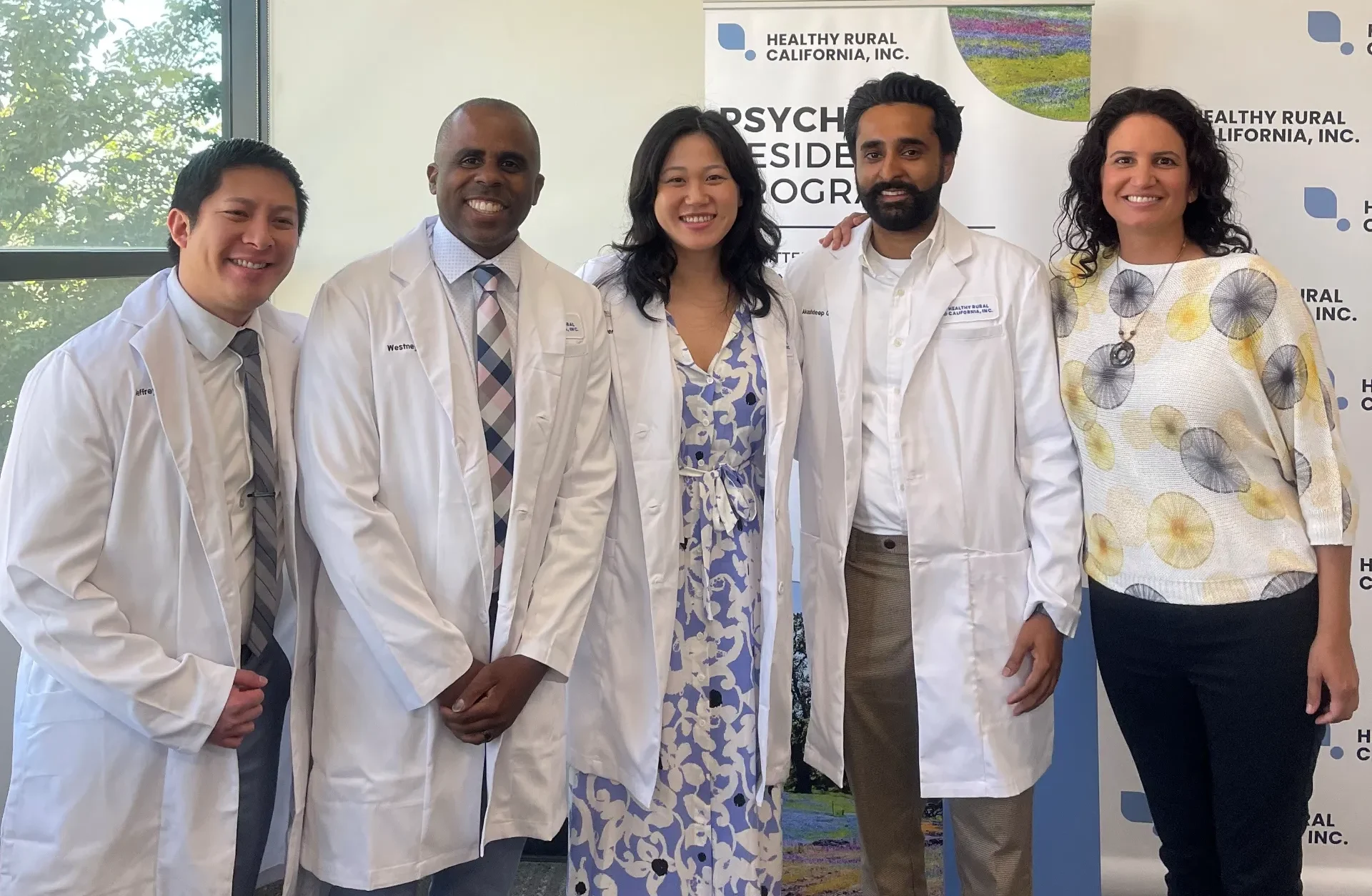
California cannot meet its affordability and access challenges without solving its health workforce shortages. It’s especially important to have a reliable pipeline of people who have the background and motivation to work in rural and other underserved communities. New federal restrictions on health care visas and student loans along with burnout and early retirements among the existing workforce are making that job harder and more urgent. Unfortunately, California’s health workforce investment strategy remains trapped in a “boom and bust” cycle, leaving workforce development vulnerable during tight budget years like this one. The next governor will have an opportunity to break this cycle and develop a long-term strategy for strengthening and stabilizing California’s health workforce.
5. How will the state manage the adoption of safe, equitable artificial intelligence in the safety net?
California has made meaningful progress enacting AI policy to address disclosure, bias, transparency, and risk management. But as the landscape matures, getting the definitions and details right matters more than ever. Rules designed to protect patients shouldn’t inadvertently create new barriers to care. For safety-net providers operating with limited financial and technical resources, policy and investment decisions will play a key role in determining whether responsible AI adoption is feasible. As the next Legislature and governor shape California’s approach to health AI, they have an opportunity to ensure the benefits of these technologies are shared broadly across Medi-Cal and the safety net, rather than contributing to an “AI divide” that exacerbates existing inequities.
What’s on the Horizon?
As the governor’s race intensifies approaching the November election, the two major candidates are already beginning to signal how they plan to approach these significant issues. Our team will be watching closely for policy platforms and debate statements regarding the managed care organization (MCO) tax, corporate health care fees, and safety-net funding. These early signals will offer vital clues about how the next administration intends to shape its first state budget. The public will get its first official look at the new governor’s concrete fiscal priorities when his proposed state budget is released in January 2027, setting the stage for a new era in California health policy.