
Key Takeaways
- Supportive housing services are helping Californians build stable lives.
- Federal and state funding changes could put residents’ progress at risk.
- State policy choices will shape what comes next.
Across California, thousands of people who once slept outside now have keys to a home of their own. Permanent supportive housing (PSH) helps make that possible. It pairs a stable place to live with services that help residents stay housed and take charge of their health. Under CalAIM (California Advancing and Innovating Medi-Cal), providers can bill Medi-Cal for selected housing-related services, and early evidence is encouraging. Residents are keeping their housing longer. They are also relying less on emergency rooms and hospital stays that could have been avoided.
That progress is now under pressure. Federal actions and tight state budgets are reshaping how this funding works in practice. Some managed care plans are lowering payment rates and denying reauthorizations, while others are requiring more documented contacts with residents. The state has also proposed capping authorization periods for these services at six months. Stabilization usually takes longer.
While these changes are responding to real fiscal constraints, they also put at risk the housing and health partnerships that providers and health plans have built under CalAIM. Many providers depend on this funding to deliver the supportive services that help people experiencing homelessness build stable lives. Significant funding gaps could follow. Residents who have made real gains could lose ground.
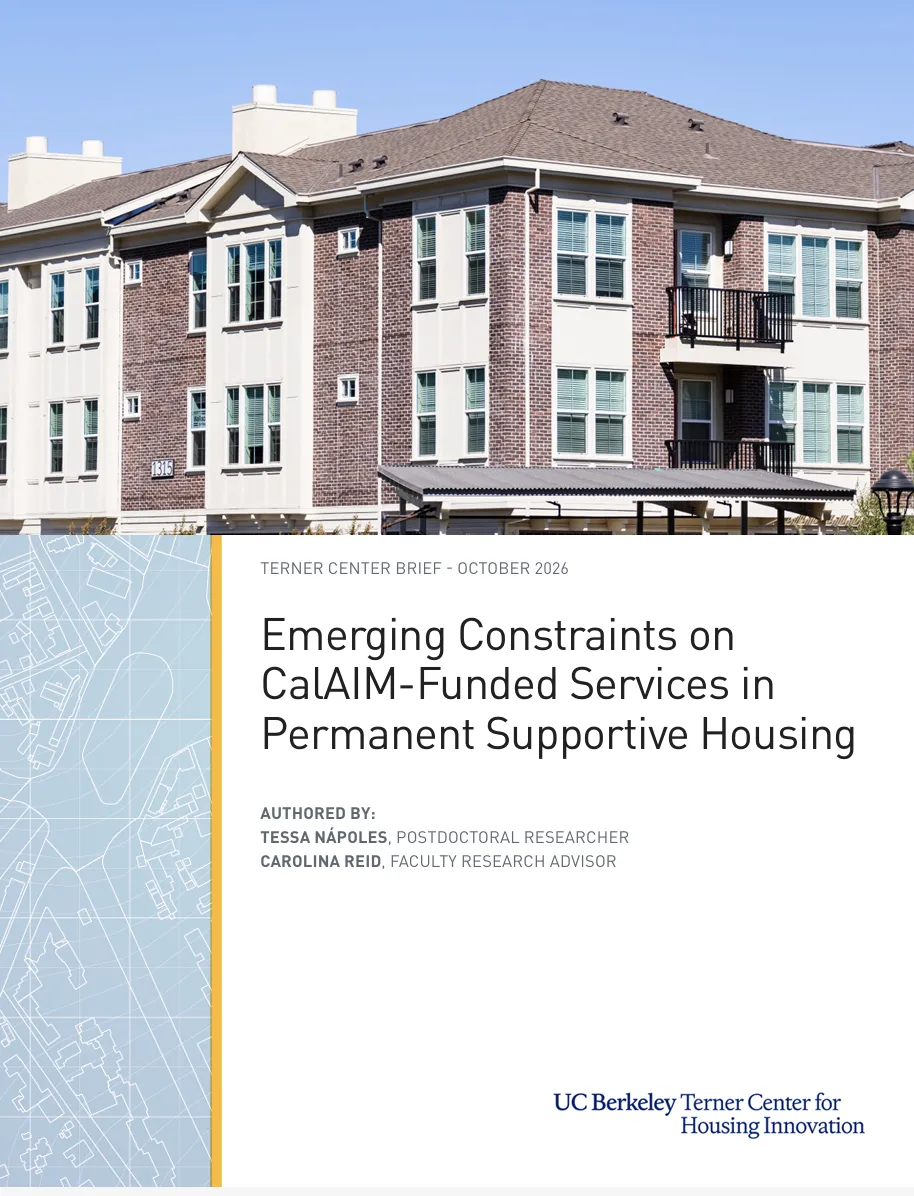
Emerging Constraints on CalAIM-Funded Services in Permanent Supportive Housing from the Terner Center for Housing Innovation at UC Berkeley, produced with support from the California Health Care Foundation, examines recent changes to CalAIM and how they affect providers’ ability to support PSH residents. It also outlines the implications for state policy.