
-
Resource
Stay Covered: Tools to Protect Medi-Cal for People Experiencing or At Risk of Homelessness
Preventing avoidable coverage losses will take coordination between health care and homeless services systems. Organizations can start by learning the new requirements and identifying clients who may be affected. Next steps include strengthening renewal support and building partnerships with counties…
-
Resource
Preventing Medical Debt in California: Hospital Financial Assistance Requirements and Options to Strengthen Them
Here’s what advocates and policymakers need to know about hospital financial assistance laws, what’s changing in 2027, and where the state can still improve.
-
Resource
Medi-Cal Enrollees with Unsatisfactory Immigration Status: What to Know About the Transition to Fee-for-Service
How California Can Protect Access and Continuity of Care as 1.9 Million Enrollees Leave Managed Care in January 2027
-
Resource
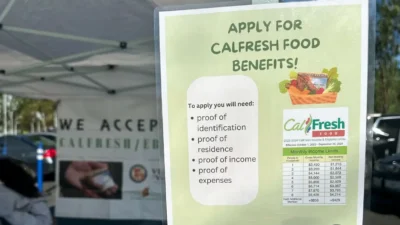
What Makes Medi-Cal and CalFresh Messages Clear and Trustworthy?
As Medi-Cal and CalFresh rules change, people need to know whether a change applies to them and what they need to do. The California Health Care Foundation funded this research, which Culture IQ conducted in partnership with the California Health…
-
Blog
How California’s Public Purchasers Are Joining Forces to Strengthen Primary Care
The medical leaders of the state’s largest public payers are using their collective clout to move primary care toward the center of the health care system.
-
Funding Opportunity
Request for Letters of Interest: Regional Medi-Cal Response & Learning Forums
The California Health Care Foundation (CHCF) is exploring an early-stage concept to support regional or county-level cross-sector convenings to help communities respond to HR 1 and other state Medi-Cal policy changes.
-
Resource
Medi-Cal Bold Idea — Any Card, Any Provider: Unifying Networks and Administration
This proposal suggests restructuring Medi-Cal so that any credentialed provider could treat any Medi-Cal patient, regardless of plan assignment, through a single statewide provider network.
-
Resource
Medi-Cal Bold Idea — AI-Powered Advocates for Medi-Cal
This proposal suggests creating an AI “app store” for Medi-Cal — one where members choose to work with AI Advocates that proactively respond to rising risk levels and initiate outreach, navigation, and enrollment.
-
Resource
Medi-Cal Bold Idea — Partially Unified Financing: Covered California for Most
This proposal suggests transitioning most Californians — including many currently enrolled in Medi-Cal — into Covered California plans. The model aims to create a more continuous and equitable coverage system.
-
Resource
Medi-Cal Bold Idea — Multipayer Primary Care Payment Reform Model
This proposal outlines a unified primary care payment model across Medi-Cal, CalPERS, and Covered California.
-
Resource
Medi-Cal Bold Idea — In-Home Supportive Services Integration into Managed Care
This proposal suggests integrating In-Home Supportive Services (IHSS) into Medi-Cal managed care to improve care coordination and oversight while preserving recipient self-direction.
-
Resource
Medi-Cal Bold Idea — Consideration of a Medicaid Per Capita Cap
This proposal explores a shift from open-ended federal matching funds to a per capita cap model for Medicaid, examining how this approach could offer California greater policy flexibility and budget predictability.
-
Blog
How Chief Health Equity Officers Are Meeting the Moment
Medi-Cal managed care plans are required to have chief health equity officers. Here’s how they are working to reduce health disparities.
-
Blog
Tracking Progress on DHCS’s Bold Goals: What We’re Seeing and What Comes Next
As DHCS continues the work, CIN partners and health and community organizations across California have a clear role to play: Use data intentionally, invest in equity-driven practice changes, deepen partnerships with community organizations, and bring lessons back to the network…
-
Resource
Building Medicare Capacity in California Community Health Centers
California’s community health centers face critical Medicare readiness gaps. This OCHIN brief identifies key barriers and offers actionable strategies to help CHCs better serve a growing older adult population.