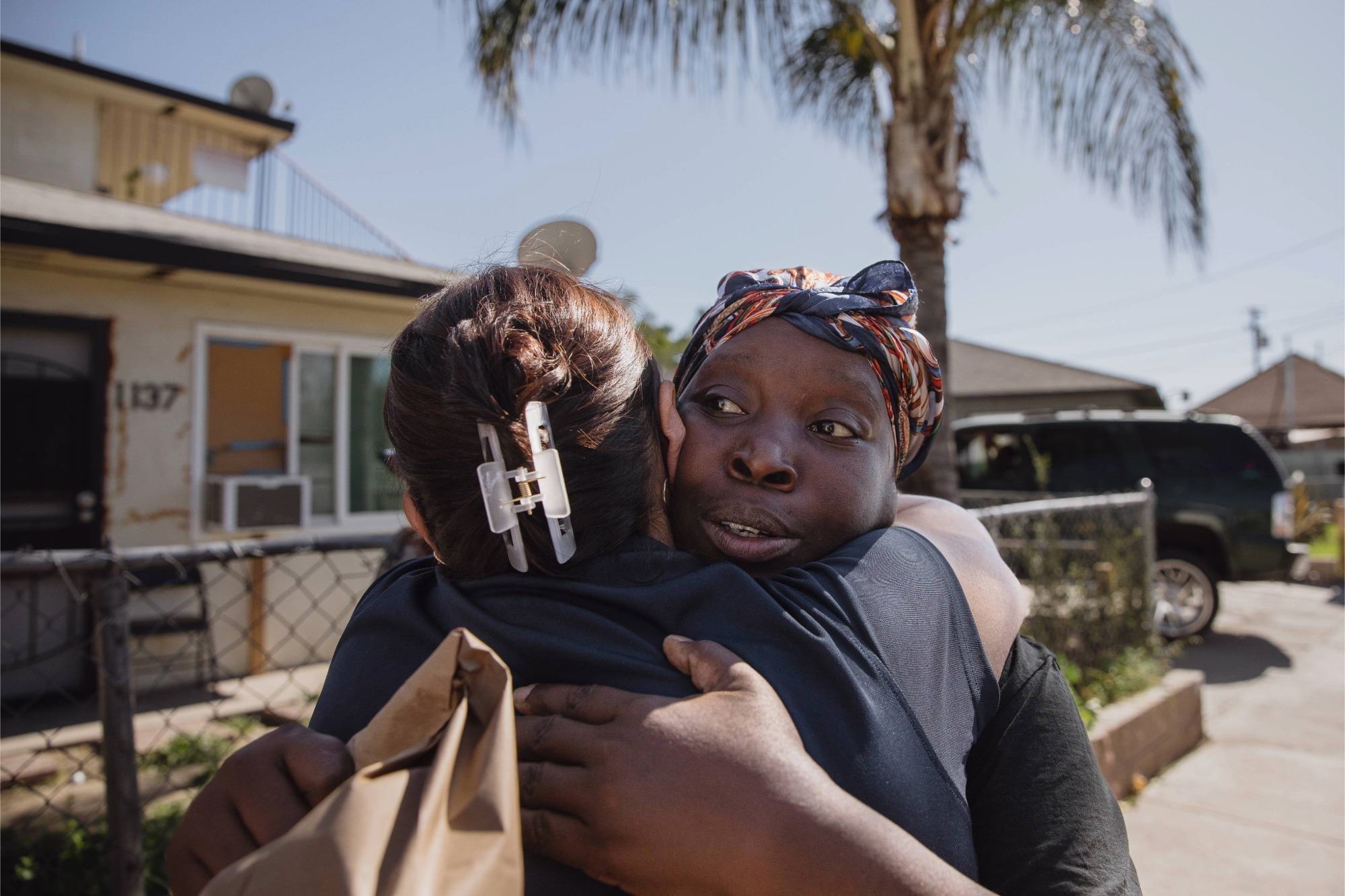
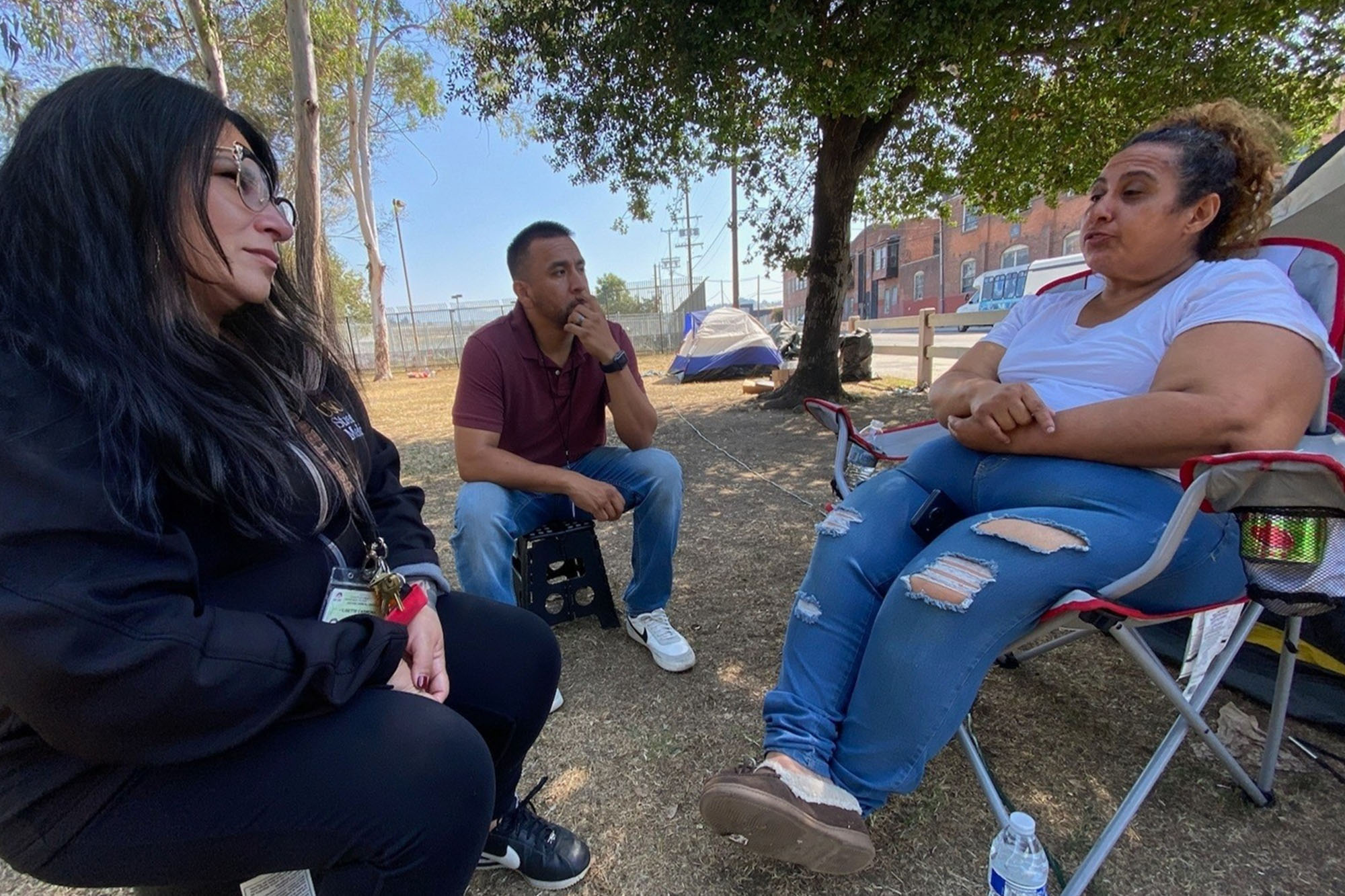
Sobering centers are community-based facilities that provide care for intoxicated adults whose public substance use puts themselves or others at risk. Designed as an alternative to emergency departments and jails, sobering centers provide a safe environment where people receive immediate stabilization, health monitoring, case management, and supportive linkages to treatment services. By diverting people from traditional, often overburdened services, sobering centers help reduce unnecessary hospital visits and jail bookings while fostering recovery and community connection — a model that has evolved significantly across California over the past several years.
Blueprint for Sobering Care in California: Implementation Guide supports community-based organizations, managed care plans contracting for sobering care under CalAIM, and other community stakeholders in developing, implementing, and sustaining sobering centers in California. The guide provides practical tools, financial planning resources, and real-world examples for both new and existing sobering centers. The guide and an accompanying financial toolkit are available for download below.
Since the development of this implementation guide, The Commission on Accreditation of Rehabilitation Facilities (CARF) and the National Sobering Collaborative announced the launch of the nation’s first accreditation program for sobering centers aimed at establishing national standards of quality and care. Final standards will be published in January in CARF’s 2026 Behavioral Health Standards Manual. Accreditation will be available later in 2026.
Authors & Contributors
Jesse Sieger-Walls, PhD, MSW, LCSW
Owner & Managing Principal, Wellbeing in Action
Shannon Smith-Bernardin, PhD, RN, CNL
Associate Professor, Dept of Social & Behavioral Sciences, UCSF School of Nursing
Co-Founder & President, National Sobering Collaborative