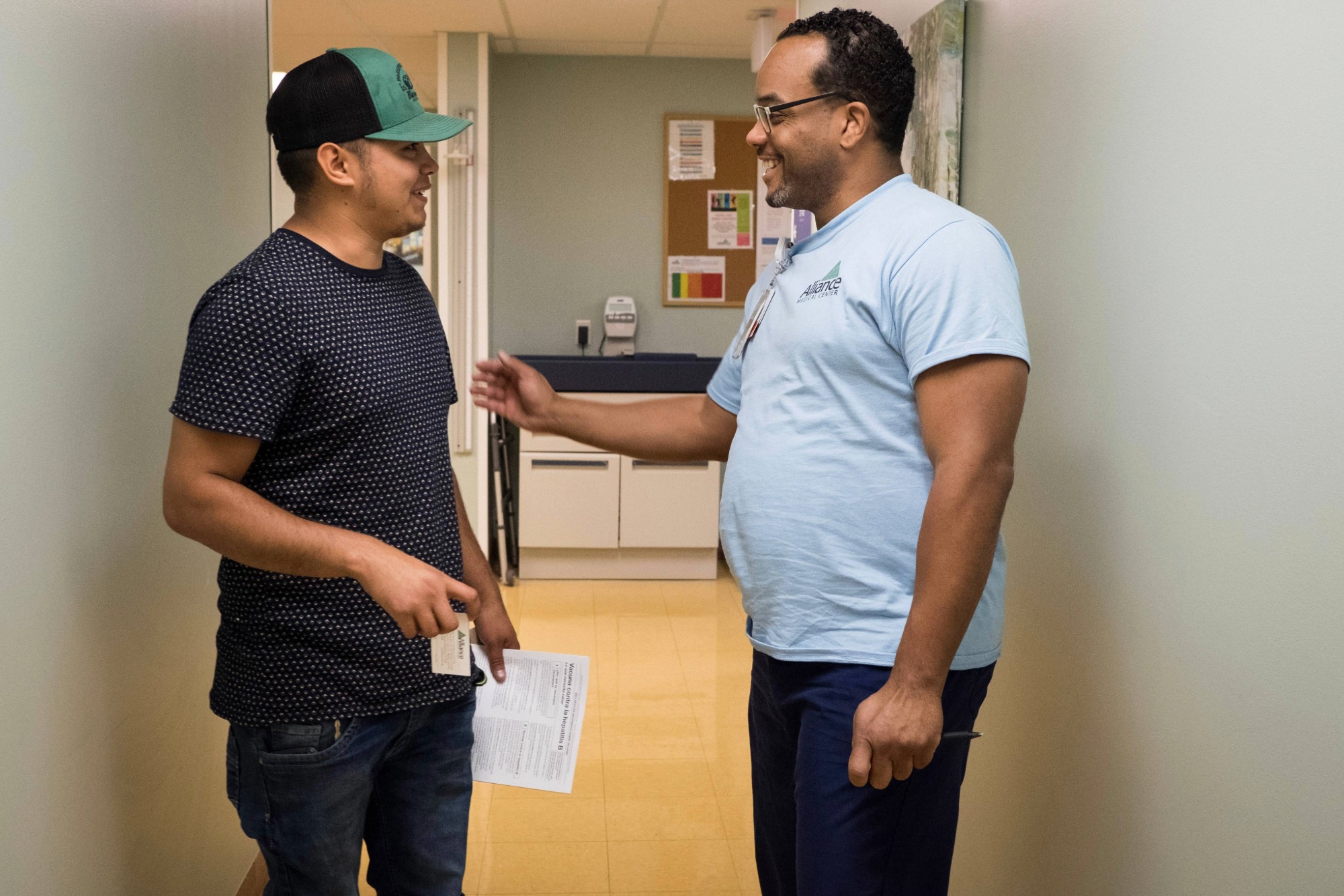
On a recent morning at Reddy Care Medical in Pomona, patient care coordinator Grysell Campos asked a patient a question that has become standard practice: “Within the past 12 months, did you worry that your food would run out before you got the money to buy more?”
“Always,” the patient answered.
Exchanges like this highlight a critical reality: Health equity requires more than medical treatment. It requires providers who know their patients’ needs, earn their trust, and ensure they do not go without basic necessities.
California law now mandates this level of accountability. Health plans are required to report equity data and meet specific quality benchmarks or face financial penalties starting this year. The urgency is clear: To date, not a single health plan has met these standards.
To close this gap, health care needs to make sure that no one is left behind, including small, independent medical practices. Every day, these primary care providers serve Medi-Cal enrollees experiencing health disparities. Because they have established deep trust within their communities, small practices play an important role in supporting the health of the community.
Yet they receive limited management and coaching support in their efforts to help with patients’ overall well-being. That misalignment was the impetus behind EQuIP-LA, a two-year experiment supported by the California Health Care Foundation to test whether modest, steady support could help these neighborhood medical practices improve care. The state has also invested in small independent practices through the Equity and Practice Transformation Initiative.
Crucial Health Centers That Go Unnoticed
Across Los Angeles County, a lot of Medi-Cal primary care is delivered in independent practices in the heart of their communities.
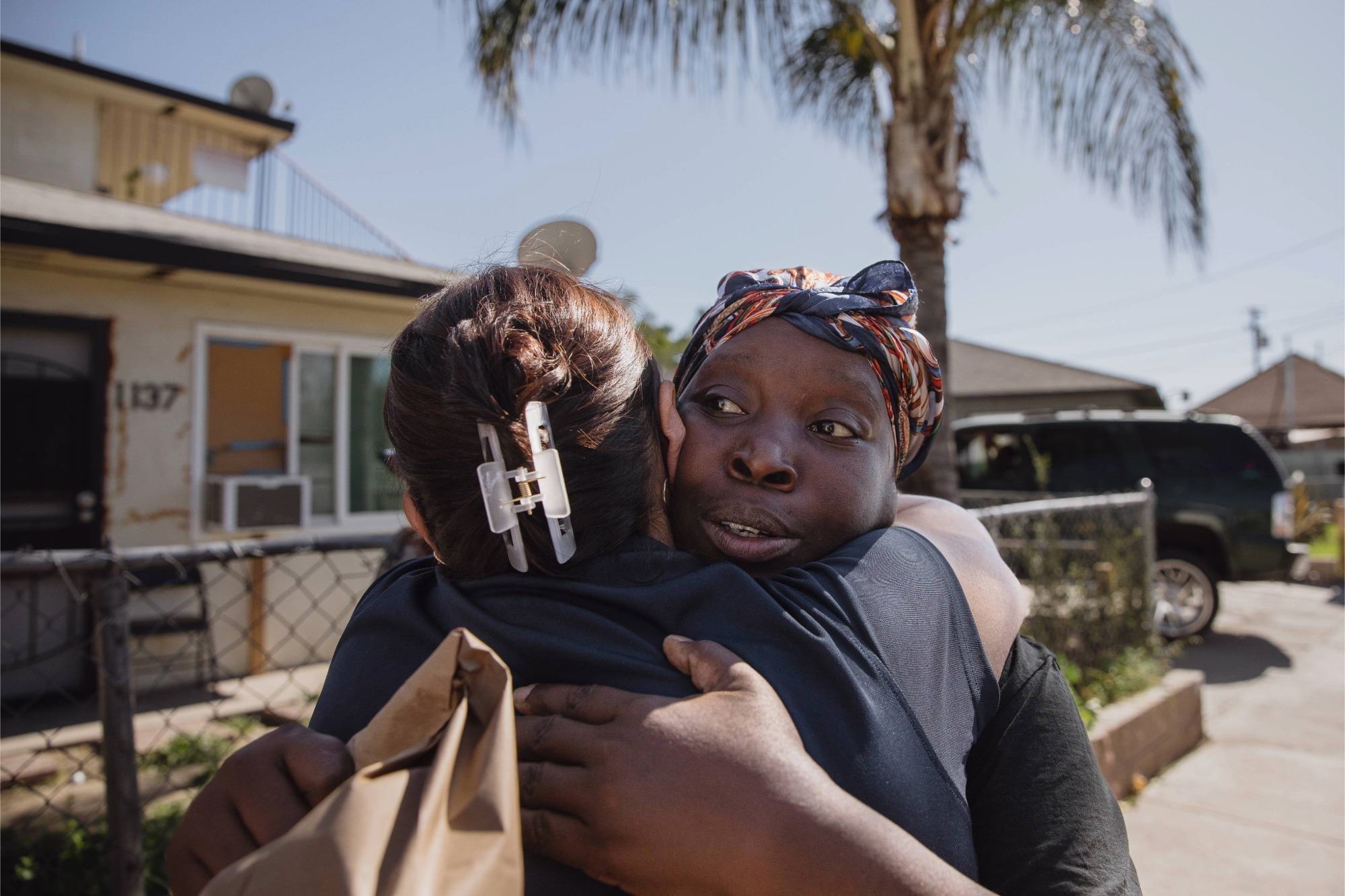
Walk into Reddy Care in Pomona and feel the hum of its everyday rhythm: older adults making their way in, parents juggling children, people stopping by before work or on the way home. Most have Medi-Cal coverage. Many have been coming for years, and staff greet them by name.
Providers and staff know who recently lost a job, who is caring for grandchildren, and who won’t come in unless they get an early appointment. Yet these same practices operate with the fewest resources — often without the data systems, care coordinators, or protected time that larger organizations rely on.
At Reddy Care, many patients live with challenges unrelated to medicine — housing, food, transportation — that shape health as much as any clinical reading. “Income is a huge factor,” said Alex Hernandez III, the health center’s director of business development. “Working with the population that we have, they have a lot of outside influences that directly correlate with poor health outcomes.”
Launched in 2023, EQuIP-LA brought together four provider organizations to support 31 small independent practices that together care for more than 50,000 Medi-Cal enrollees. These clinics serve Medi-Cal populations composed of at least 60% enrollees of color. Providers at these practices were diverse too, with 45% self-identifying as Asian, 21% as Hispanic or Latino/x, 12% as White, and 11% as Black or African American.
The program’s structure wasn’t glamorous. Each practice received a modest grant to carve out time for participating in the program. Provider organizations prepared with a “train-the-trainer” model, learning how to coach providers in equity-focused quality improvement, use data effectively, and build sustainable systems. The focus was on practical results, such as improving blood pressure control, screening for colorectal cancer, and assessing glycemic status for patients with diabetes.
Changing One Practice at a Time
The program was workable because of its flexibility. When Reddy Care connected with a nonprofit offering community health worker training, the standard approach was to place them in health centers. But Hernandez saw something better.
“I thought to myself, ‘Why can’t we train our staff?’” Hernandez said. “We ended up getting our community health workers trained that are here, that know our patients, know our flow, right? Who better?”
The new community health workers at Reddy Care quickly began reshaping the providers’ day. “It’s more than just their regular medical check-up,” Campos said. “Patients have other needs such as transportation, food assistance, living, too. We have a lot of patients in this community who are homeless.”
Patients opened up. As Blanca Angel, a Reddy Care patient, said, “I am glad that they are bringing new ideas, new ways of treating us. Because we’re afraid to say, ‘Hey, I’m going through this.’ But if you ask me, you might hit the right question and it’s like, ‘Oh my, I am going through it. Okay, is there help?’”
Across the county in South Gate, Tweedy Medical Group was undergoing its own transformation. With about 3,000 active patients — 90% of them on Medi-Cal — staff were stretched thin. “We are a very small clinic that serves a really, really big community,” said physician assistant Michelle Domingo, the office manager at Tweedy Medical. “We really felt like little fish in a big sea.”
Tweedy Medical had long been improvising solutions. Robert Azurin, MD, noticed a pattern: patients’ blood pressure, blood sugars, and cholesterol weren’t improving. When he followed up, he found that medicines were covered but copays were a barrier. “It was really surprising that sometimes their copays would only be $2 or $4, and they’re like, ‘I’m not paying for that, I can’t pay for that,’” Azurin said.
He eventually created Charity Health, a small nonprofit to help cover copays, partnering with Santa Elena Pharmacy in nearby Lynwood. “It was about leveling the playing field,” he said.
EQuIP-LA didn’t replace this ingenuity; it built on it. Through coaching and data support, Tweedy gained structure and a way to connect with the larger health care system.
Priority Measures
Did the program actually work? According to the final independent evaluation report for EQuIP-LA from the Center for Community Health and Evaluation, the answer is unmistakably yes.
All but one of the 31 small practices improved on at least one of the three priority measures, and most improved on more than one. Overall, blood pressure control improved by 13 percentage points, colorectal cancer screening by 11, and diabetes management by 7. Almost half met at least one national benchmark.
“We’ve just heard amazing things from patients,” said Domingo at Tweedy Medical. “We’ve been able to see physically their numbers go down, their blood pressures go from being severely uncontrolled to finally getting controlled. They’re at the hospital or ER less, and everybody’s happy.”
Every practice in the program rated the coaching and training as useful or very useful. Provider and support organizations reported that the program strengthened their understanding of equity and helped them tailor quality-improvement support to the needs of small practices.
None of this came easily. Many clinics were participating between patient visits, squeezing coaching calls into lunch breaks, or navigating staff turnover. But they stayed with it because they saw it working.
In these small practices, health equity often shows up in small, human details. At Reddy Care, it means making sure transportation isn’t the reason a screening is missed. At Tweedy, it means ensuring a $2 copay doesn’t send someone to the emergency room.
“When [EQuIP-LA] came around, it was just reaffirming everything that we were doing,” said Azurin at Tweedy. “Because for the longest time, we just felt like no one cared about us as a clinic. But now we have someone to support us and challenge us to even do more.”
Next Steps for California
California’s health plans are navigating a tough environment, facing Medi-Cal rate pressures, expiring subsidies, and new equity benchmarks with significant stakes. Many leaders are asking how we can make health equity not just measurable but meaningful.
EQuIP-LA shows that when small practices receive modest, flexible support — funding, coaching, data — they produce real, measurable improvements for patients who too often slip through cracks in the system.
When EQuIP-LA launched, many wondered: What do these small practices need to learn? Two years later, the more interesting question turns out to be: What can the rest of us learn from them?
“You can never guess until you ask,” Campos said. “Interviewing patients is how we can understand their real needs, more than just their medical needs.”
Authors & Contributors
Grace Norman
Journalist
Grace Norman is a writer and producer who tells stories about seeking justice and equal rights.

Jessica Brandi Lifland
Independent photojournalist
Jessica Brandi Lifland is a freelance photographer, instructor of journalism at City College of San Francisco, and mother. Her work has taken her all over the world, including West Africa, the Middle East, Kosovo, Burma, Haiti, and South America.