|
Getting your Trinity Audio player ready…
|
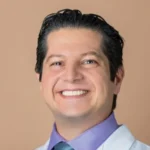
When I was growing up in Mexico City, I often accompanied my grandmother on visits to her doctor. She had immigrated to Mexico many years before and at times struggled to express herself to locals, even though she spoke Spanish. I would watch her explain her symptoms and nod along as the doctor gave advice. But when we got home, she disregarded his instructions.
Only in medical school, years later, did I understand why. My grandmother’s doctor had the facts but was unable to connect with her culturally. He was unable to gain her trust. The result was a potentially dangerous gap between the care he delivered and the care she received.
Trust Is Vital
For our 30th anniversary, we’ve invited health care leaders and experts to share solutions for building trust at all levels of the system. The views expressed in this series are those of the authors and do not necessarily reflect policies or opinions of the California Health Care Foundation.
As a physician and public health advocate who provides health information to the Latino community in Southern California and beyond, I see this problem again and again. A marginalized community has needs, and the medical establishment has the tools to meet them, but a cultural and linguistic disconnect keeps vaccine information, diabetes management, heart disease prevention, and other critical care from getting through.
Sometimes medical advice conflicts with basic cultural parameters, such as when a Latina patient with diabetes is counseled to stop eating tortillas, a basic part of the Mexican culture and food experience. At other times, stereotypes are brought into the exam room, like when I saw a physician assume that a Spanish-speaking patient with diabetes and severe food insecurity had been making poor nutritional decisions.
In one study, 1 in 5 Spanish-speaking callers seeking mental health services said English-speaking schedulers hung up on them.
The Erosion of Trust
These care gaps lead to poorer health outcomes, strain our safety net, and exacerbate growing mistrust in the health care system. When a non-English-speaking patient receives correspondence in English about appointments, it becomes clear that the system was not designed with their needs in mind.
Over time, people are continually forced to engage with a system that leaves respect and dignity out of their interactions. Some withdraw entirely. Their health suffers. Californians who face cost barriers, lack a regular doctor, or receive unclear health information are less likely to trust the health care system. With more than 30% of the state’s Latinos going without a regular source of care, trust has eroded.
It doesn’t need to be this way. Providers can bridge the cultural and linguistic divide without being fluent in a patient’s language. Small, simple actions can help ensure all patients feel heard. Nearly 80% of Californians say feeling seen and respected builds trust.
Providers accustomed to being the expert in the room can start by setting aside ego. When I first started seeing patients, I felt defensive if someone expressed a preference for a female physician. Professionalism means respecting the patient’s wishes, honoring their lived experience, and finding solutions that work for them.
This kind of humility is effective with communities that resist vaccination. Rather than dismissing their beliefs as unscientific, I give them the information I have and let them decide how to proceed. I operate like a waiter at a fine restaurant. I give diners a menu, offer my opinions on the best dishes, and serve what they order. This empowerment eases fears about a return visit when new symptoms or questions arise.
Shed the Ego
A provider who doesn’t share a patient’s culture need not shy away from acknowledging that difference. With a Latino patient, show that you’re trying to reach out to the person they really are, not just the sick person in front of you. Greet them with a simple “Hola.” Because many of my patients value homeopathic remedies, I offer them herbal teas. Nods to cultural values open doors and invite candor.
Physicians should lead with curiosity, asking patients about their lives as well as their symptoms. Acknowledge if they are wearing jewelry with a religious motif or mention the hometown football team. When they mention a grandchild or a favorite food, jot it down in your clinical notes so you and your colleagues can keep building the relationship. Encourage patients to ask their own questions. Answer them thoroughly and thoughtfully.
On a more systemic level, we can use trusted messengers, including community health workers and promotores, to disseminate important information.
When the H1N1 pandemic broke out in 2009, I was a medical resident in Chicago. I saw dozens of patients every day and told each one individually to get their flu shot. But I wasn’t making a dent. At that rate, it would take me 200 years to reach everyone in Chicago’s Spanish-speaking community. There had to be a better way to communicate.
I began writing the information in Spanish and sharing it with the public health department and reporters. One three-minute interview reached more people than I could see in a year of clinic visits.
Build Trust Into the System
Empowering patients requires investing in a workforce that looks like California. While the Latino community is the state’s largest ethnic group with nearly 40% of the population, they make up only 7% of licensed physicians. California’s Licensed Physicians from Mexico Pilot Program has brought dozens of Spanish-speaking doctors to farmworkers and other underserved communities in our state. These physicians reached patients the system has long failed. A state-commissioned evaluation found they substantially improved chronic disease identification and recommended expanding the program.
The initiative builds trust by deepening cultural and linguistic alignment in our delivery systems, but one pilot cannot close the gap on its own. We need to expand teaching health centers and community clinic residencies.
Teaching future doctors about the social drivers of health prepares them to meet the needs of a diverse state with respect and humility.
Obtaining culturally sensitive care shouldn’t depend on luck. Designing it into the system shows patients that their well-being matters.
My grandmother did eventually find a trustworthy provider who understood the cultural values she brought to Mexico. She got the treatment she needed and lived into her 80s. I don’t believe she would have been with us for that long under culturally dismissive care. The most important treatment in medicine is humanity, and it is within every provider’s reach.