
Periodically since 2019, the California Health Care Foundation (CHCF) has conducted a representative, statewide survey of residents’ views and experiences on a variety of health care topics. CHCF and NORC at the University of Chicago, a nonpartisan research organization, conducted the survey again in late 2025.
What’s new this time? This year’s survey focuses largely on health care costs and Californians’ experiences affording health care. It also presents Californians’ opinions about the major federal tax and budget bill, H.R. 1, passed by Congress in the summer of 2025. Below is a sample of key findings. Download the full report to explore a wide range of additional data.
8 Key Findings
Health Care Costs Cause Economic Hardship
Health care costs are causing economic hardship to large percentages of Californians across income levels.
Key Finding 1
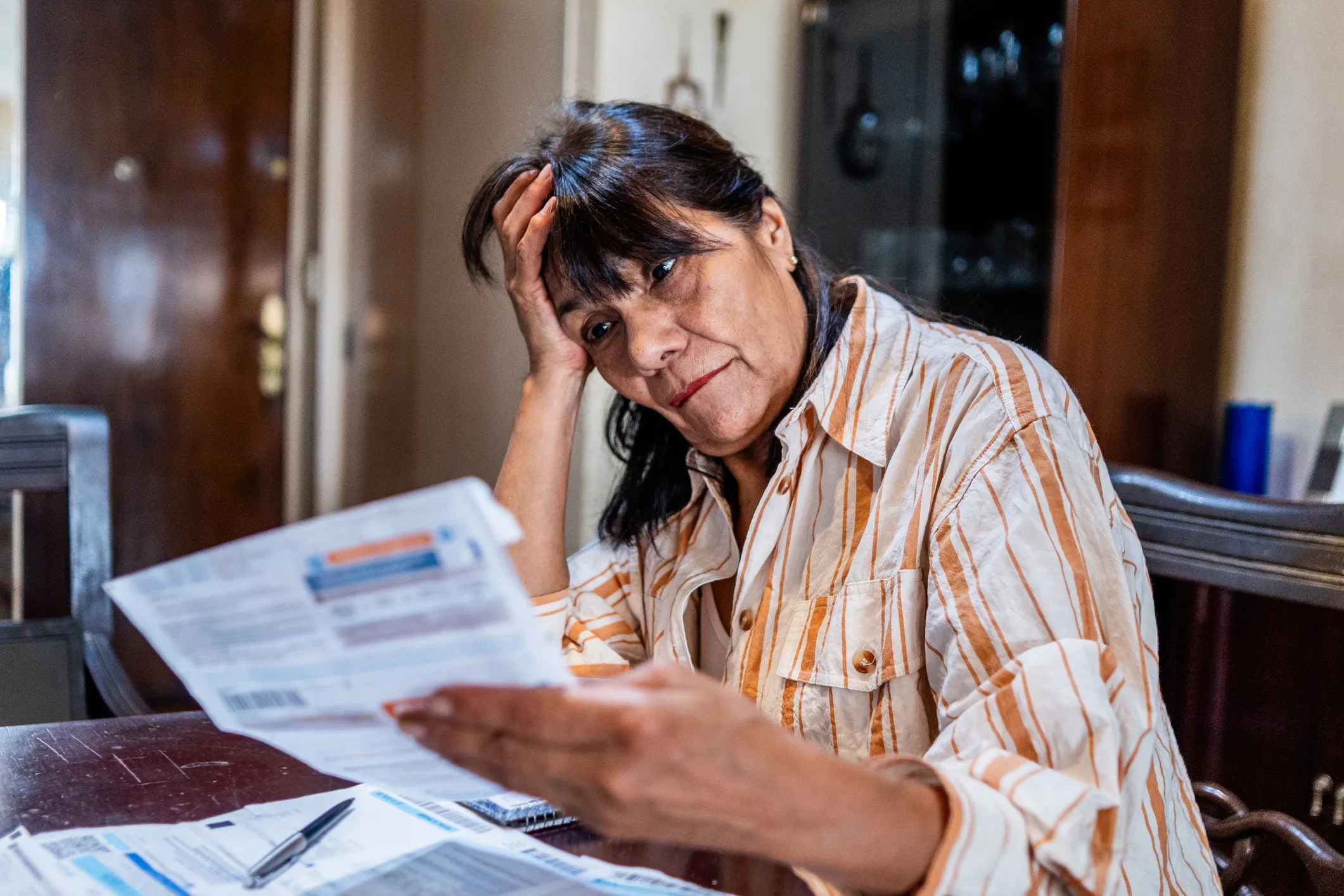
Seven in 10 Californians feel that health care expenses place a financial strain on their household (Figure 33 in report and below).
Key Finding 2
Nearly two in three Californians (64%), including 75% of those with low incomes and 62% with higher incomes, are worried about unexpected medical bills. In comparison, 48% are worried about rent and 47%, about groceries (Figure 38 in report and below. See Figure 39 in report for income breakdowns).
Key Finding 3
Four in 10 Californians have medical debt, including 55% of those with low incomes and 37% with higher incomes (Figure 43 in report and below). Almost half of Latinos/x and those who speak Spanish have medical debt.
Californians Skip Care Due to Cost
A strong majority of Californians across income groups say they or a family member skipped or delayed health care in the past year due to cost.
Key Finding 4
About 6 in 10 Californians (59%), including 70% of those with low incomes and 55% of those with higher incomes, report that they or a family member skipped or delayed care due to cost in the past 12 months (Figures 21 – 23 in report).
Latinos/x and Those in Rural North Fare Worse
Although health care affordability challenges are experienced by a wide range of Californians across race and region, Californians living in the Rural North and Latino/x Californians experience greater burdens. Two examples include:
Key Finding 5
Seven in 10 Rural North respondents (69%) say their health care expenses have increased faster than their income, more than California overall (51%) and any other region (Figure 37 in report and below).
Key Finding 6
Latino/x Californians are more likely to say it is difficult for them or their family to afford various types of health care, such as specialty and primary care, than Californians of other races/ethnicities (Figure 17 in report and below).
Californians Agree Affordability Is A Priority
A strong majority of Californians overall and across political parties agree that making health care more affordable is an important priority for state policymakers in 2026.
Key Finding 7
More than 8 in 10 Californians (83%) say that making health care affordable is an “extremely” or “very” important priority for state policymakers in 2026 (Figure 7 in report and below).
Californians Have Concerns About H.R. 1
Half of Californians hold an unfavorable view of the federal tax and budget bill H.R. 1, also known as the “big beautiful bill.”
Key Finding 8
Forty nine percent (49%) of Californians have an unfavorable view of H.R.1, 13% hold a favorable view, and 37% are unsure (Figure 1 in report).
Download the report below for more figures and findings, or download a zip file of the report’s figures to share or use in presentations.