The California Health Care Foundation is an independent, nonprofit philanthropy that works to improve the health care system so that all Californians have the care they need.
CHCF publishes reports, articles, issue briefs, explainers, data snapshots, infographics, fact sheets, and other resources to help make meaningful change in California’s health care system.
The California Health Care Foundation is an independent, nonprofit philanthropy that works to improve the health care system so that all Californians have the care they need.
Search the entire site for the resources or content you need. You can filter to find the type of content you need or narrow down based on the topic. Need support? Fill out the form on our contact page.
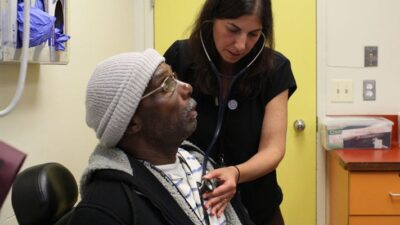
Up to 25 additional California community clinics have implemented Transitions Clinic programs to better meet the health needs of people recently released from incarceration.
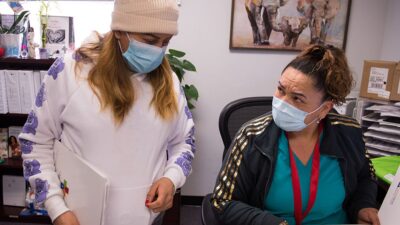
This report describes employers’ perspectives of many facets of the community health worker/promoter profession, including training, primary roles and skills, billing, recruitment and retention, and future directions.
This issue brief provides an overview of justice-involved 1115 demonstration initiatives, summarizes what is known from existing evaluations, and identifies a set of opportunities to design robust and equity-focused 1115 demonstration evaluation plans specific to justice-involved populations.
People in jail or prison experience high rates of physical and mental health problems within complex social contexts. CHCF is working with partners to improve the coordination and delivery of care for those leaving correctional settings and returning to the…
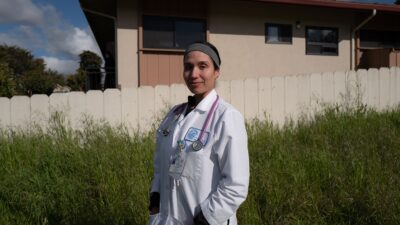
A pilot program that took two decades to launch now has 24 Mexican doctors providing care to Latino/x populations at clinics in Monterey, San Benito, Tulare, and Los Angeles Counties. The state has issued the visiting doctors three-year medical licenses…
This case study describes how a local network of providers, hospitals, and plans in Los Angeles began working together to identify and overcome barriers to provide recuperative care to people who are unhoused.
In 2024, many California counties will experience major changes around which Medi-Cal managed care plans operate there. This fact sheet organizes these changes alphabetically by county and by managed care plan for easy reference.
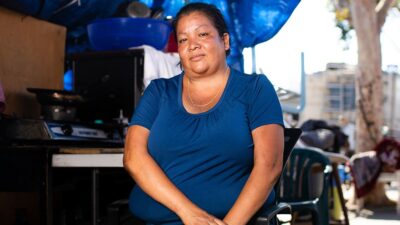
The study demonstrated that most people become homeless primarily because the cost of housing has become unsustainable. Many study participants said that experiencing homelessness worsened their health, including their mental health.
With support from CHCF, Justice in Aging is producing a series of issue briefs focused on helping state agencies, policymakers, and other stakeholders in efforts to support equitable HCBS rather than institutional care where possible and desirable.