
Introduction
The Conexiones: Primary Care Access Project was a two-year initiative funded by the California Health Care Foundation (CHCF) to explore ways to improve connection to and utilization of primary care among Latino/a/x Medi-Cal members in California. The project brought together a Medi-Cal managed care plan (MCP) and a primary care provider (PCP) to better understand and address barriers to primary care. Through collaborative design and implementation of interventions, the project sought to improve primary care access and utilization among Latino/a/x Medi-Cal members in Los Angeles County.
CHCF partnered with HealthBegins, L.A. Care Health Plan, and MLK Community Healthcare to better understand barriers to primary care and develop approaches informed by community experiences.
HealthBegins served as the lead design and implementation consultant, employing a Human-Centered Design (HCD) approach to understand how community members access and use primary care and to inform the development and testing of potential community-informed solutions. Community experiences helped shape the questions explored, opportunities prioritized, and interventions developed and tested.
Human-Centered Design Playbook
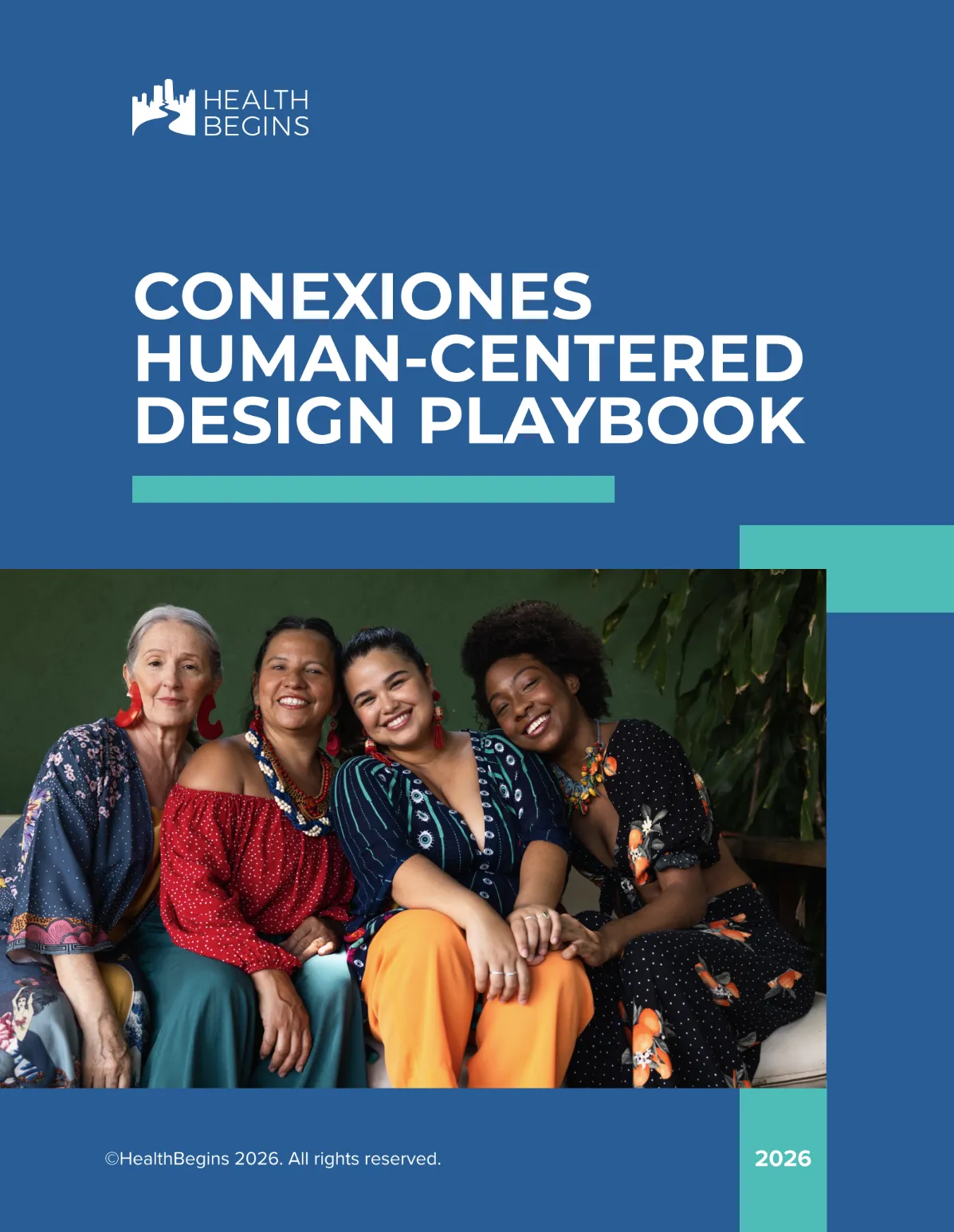
The Conexiones Human-Centered Design Playbook offers a practical guide for health plans, health care providers, and community organizations seeking to improve access to primary care. Developed through a project focused on Latino/a/x Medi-Cal members, the playbook provides a step-by-step approach to understanding barriers to care, engaging communities, and turning their insights into solutions. It includes real-world examples, tools, and resources that organizations can adapt to meet the needs of the communities they serve.
Patient Stories
As part of the Conexiones: Primary Care Access Project, participants shared their experiences with the Metro LIFE Program and how transportation shaped their ability to get to medical appointments and manage everyday needs.
They described using public transportation to access care, pick up medications, get to work and school, buy groceries, and move around more independently. For some, transportation support also meant getting to care without worrying about the cost.
Together, these stories show how transportation can shape both access to care and everyday life.
Note: Personally identifying information has been removed to protect patient confidentiality.
A Chance to Catch Health Problems Early
For some participants, getting to the doctor is the first step in getting care.
Without reliable transportation, making it to an appointment can be difficult or impossible. Metro LIFE made it easier for participants to get to primary care appointments and stay on top of their preventive care. One participant described how much easier it became to access primary care after joining the program, enabling them to address health concerns before they became bigger problems.
“Since joining the Metro Life program, it’s been much easier to access PCP appointments. This program has made it easier to get preventive care and address health concerns before they become a bigger problem.”
The Freedom to Make an Appointment
For one participant, transportation was about more than getting to the doctor. It was also knowing how to get home.
Metro LIFE helped the participant keep medical appointments without worrying about how they would get home afterward. It also meant being able to schedule appointments without depending on someone else for transportation or paying high prices for private ridesharing services.
“El programa Metro Life me ha ayudado a no perder ninguna de mis citas médicas. También me ha ayudado a no tener que preocuparme por cómo regresar a casa después de mis citas. El programa Metro Life me ha dado la libertad y el control de poder programar mis citas cuando las necesito, sin tener que depender de otras personas para transportarme ni pagar precios elevados por servicios como Uber.”
The Trip Doesn’t End at the Doctor
Transportation support became part of everyday life, not just a way to get to medical appointments.
Participants used their TAP cards for appointments, grocery shopping, and other trips. One participant described using the bus to get to the doctor, buy fruits and vegetables, and save money.
“He utilizado la tarjeta para tomar el autobús para ir a mis citas con el doctor. También la he utilizado para ir al mandado por mis frutas y vegetales. Me ayuda con mis viajes y a ahorrar dinero.”
Supporting Family, Work, and Home
Transportation is part of daily life, not just healthcare.
Public transportation helped participants get their children to school, get to work, and return home. Others described using the TAP card for transportation throughout the city, including getting to their healthcare facility. The savings were described as a relief.
“It has helped me a lot in terms of saving a lot of money because I use public transportation a lot to take my children to school and be able to go to work and return home. Thank you for this help, which truly is a relief for those of us who need it.”
“My brother and I used the Tap Card for all metro transportation. It creates an easy path for us to access not just other places around the city even our health care facility. We look forward to keep using it.”
Beyond the Doctor’s Office
Getting to an appointment is only part of staying on top of health.
Metro LIFE helped one participant arrive on time and pick up medications as soon as they were ready, without having to worry about transportation to the pharmacy.
“Metro LIFE has allowed me to arrive at my appointments on time and has also made it easier to pick up my medications as soon as they are ready, without having to worry about transportation to the pharmacy.”
Download the patient stories as a PDF →
Case Studies
The listening sessions in the Conexiones: Primary Care Access Project identified persistent problems faced by its participants. The following case studies describe two of these problems, offer interventions, and summarize the lessons learned.
Some of these interventions include synthesizing listening sessions into personas, developing user journey maps, creating coverage and transportation campaign materials, and partnering with the Metro LIFE program. The full case studies elaborate on how these interventions were identified and executed.
Download the case studies as a PDF →
Resource Library
The resource library offers practical tools, templates, and materials developed through the Conexiones project to help organizations engage communities, identify barriers to primary care, and develop solutions. These resources can be adapted to support similar efforts in other communities and health care settings.