

Worried Sick:
Californians on a Health Care System They Can’t Afford
Anxious, Angry, and Searching for Answers
That is what Californians tell us about the cost of their health care.
For years, CHCF has documented the increasing toll of high health care costs on Californians, alongside the forces driving up costs and policy tools that can address the crisis.
Worried Sick: Californians on a Health Care System They Can’t Afford brings that work together in one place, anchored by our most extensive listening effort yet. CHCF commissioned Goodwin Simon Strategic Research to poll and interview Californians in 2025 and 2026 about health care affordability. Nearly 4,000 participants took part, representing a range of geographies, races and ethnicities, income levels, and coverage types. (Read more in the Methodology.)
Here you will hear directly from Californians about the hard choices high health care costs force on them, whom they hold responsible, and which policy solutions they think will help and why. You’ll also learn what research says about why costs keep climbing, and what we can do about it.
This report is for state and local policymakers, advocates, industry leaders, journalists, and anyone working to make care more affordable for Californians.

“Do I Eat, or Go to the Doctor?”
The Impact of Unaffordable Health Care
In the fall of 2025, we conducted in-depth interviews with 24 Californians across race, region, languages, insurance types, and income levels. All reported some problem affording health care.
We heard directly from participants about these experiences and the impact on their lives. Across conversations, the common themes were:
- Difficult tradeoffs families make to afford care
- Anxiety, fear and stress due to rising health care costs
- Delaying or skipping care because of costs
- Distrust of the system and deep skepticism that change is possible.
The Frazier-Hill family’s story illustrates many of these themes:
Our statewide polling confirms that the sentiments lifted up during these qualitative conversations are common among Californians.
The Tradeoffs of Affordable Care
Health care has become so expensive it now competes with the largest monthly living expenses people face, including rent and groceries. The increasing cost of health care is making daily life less affordable. It is fueling anxiety.
“We’re struggling to even eat, and the wages don’t add up with inflation, and then we have medical care to worry about… I’m worried crazy about my daughter and her medications.”
Black woman, Covered California
“The company would give me a so-called discount. Well, that discount was still going to cost me $400 a month — that’s my food budget. What do you want me to do, take the medication and forget the food?”
White Woman, Covered California
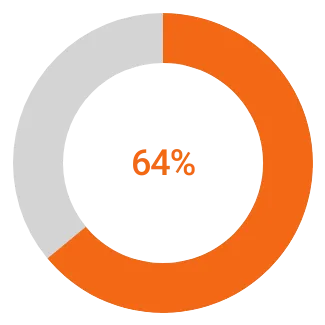
The 2026 CHCF California Health Policy Survey found that 64% of Californians report being worried about affording an unexpected medical bill. That makes it the top financial concern for Californians, exceeding rent or food.
The challenges Californians confront within health care are frequently, but not always, related to costs. In addition to being unaffordable, they also talk about health care as uncaring, inefficient, complicated, and inaccessible.
Anxiety, Fear, and Stress
Feelings of anxiety, fear, and stress were ubiquitous when discussing health care and deeply tied to participants’ personal struggles with accessing care, bureaucratic hurdles, high and unpredictable costs, and a perceived lack of control over their own health care.
Many participants suffer from medical debt and financial duress due to high health care costs. Those who aren’t currently dealing with financial hardships are gravely concerned that one day they will. For many Californians, the burden of affording health care is something felt not only in the moment, but across a lifetime.
“Anxiety, going broke, fear that you can’t afford to pay it, of having it sent to collections. There’s nothing good. It’s all fear.”
White Woman, Covered California
“My biggest concern is, our insurance premiums have gone up almost double in five years… and then I have to wait four months, or five months, or six months just to be seen.”
ANHPI Man, Employer insurance
CHCF’s statewide polling reinforces this finding: Seven in 10 Californians say that health care expenses place a financial strain on their household:
Delaying or Skipping Care
Many participants describe delaying or forgoing care to manage financial risk, especially if they feel that a procedure or visit is not absolutely necessary. People often described care for conditions that aren’t life-threatening as a “luxury.”
“If it needs to pay, then I just skip it. Because it is actually very expensive and a kind of burden.…I cannot afford to see the dentist here, so I can only see the dentist in China.”
ANHPI WOMAN, Medi-Cal, speaking Cantonese
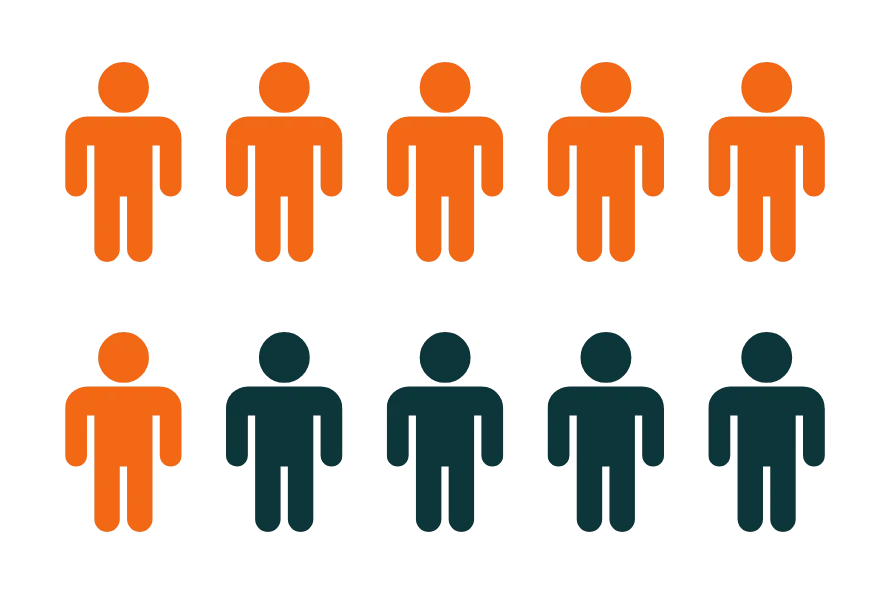
6 out of 10 Californians skipped or delayed care because of the cost
Distrust
Many participants expressed distrust of health insurers, hospitals, and health care providers, saying that they are motivated solely by financial gain, and do not listen to patients or take their concerns seriously.
Even participants who hold more positive views of providers feel that insurance companies constrain providers’ ability to give their patients adequate care. Many participants believe that these companies intentionally make their systems overly complex and opaque to justify denying care and to shift more of the financial burden to patients.
“Companies make big earnings. They make huge profits. When medicine was invented, it was meant to cure people. But now, later, it all got spoiled. They take advantage of people when they are vulnerable.”
Latino Man, Medi-Cal
“I think that sometimes medical professionals want to have more — they want to prescribe things to people, like pills. Oh, how are we going to sell these pills? How are we going to make the stocks of Pfizer and Moderna go up?”
Latino Man, Medi-Cal, speaking spanish

Almost half of Californians (46%) report their trust in the health care system as “not much” or “none at all.” That rises to 64% among people who have skipped care because of costs.

“We’re Just a Dollar Sign to Them.”
Where Californians Point the Finger for the High Cost of Care
Our conversations with Californians who have experienced health care affordability challenges uncovered common themes about where people place blame for the high cost of care:
Skip to Section
- The Impact of Unaffordable Health Care
- Who Californians Blame for High Costs — and Why
- What Californians Think About Policy Solutions
- 5 Takeaways for the Work Ahead on Affordability
- Methodology and Appendix
Corporate Greed and Corruption
Participants believe that greed to maximize profits drives high health care costs. They say that insurers, hospitals, pharmaceutical companies, and sometimes health care providers are to blame. Many think political corruption and lobbying by the health industry prevent or weaken laws that would lower costs, and that politicians are incentivized to protect industry profits (and campaign donations) over constituents’ needs.
“Politicians are more interested in keeping their power and friends happy, because those friends are paying to help them stay in power, rather than actually solve the issues that are concerning us, the patients.”
ANHPI MAN, Employer PLAN
Unfair and Unpredictable Prices
Many participants identify with the experience of unpredictable, unfair, confusing, and inflated bills — and want to know how these high prices are determined. The lack of transparency and perceived price gouging — especially during vulnerable moments when they are experiencing a health crisis — is a point of deep frustration.
“$7,000 may not feel like anything to someone, but it’s crippling. It’s scary.”
Vicky, employer coverage, on receiving a medical bill after giving birth .
Administrative Waste
Most participants cited personal experiences of administrative waste by sharing stories of billing errors, redundant tests, and miscommunication between providers. They feel the complexity of dealing with insurance and navigating the system takes resources away from accessing the care they need – often at very vulnerable moments.
“They’re asking me for an X-ray on my right leg when the problem was on my left. Or I’m at the doctor’s office and they say we didn’t get the fax.”
Latina Woman, Medicare
“When I had the heart attack, they shipped me to St. Joseph’s and… they were like, ‘Hey, we need to go get your information from the doctor before we can do this and this.’”
ANHPI Man, Medi-Cal
Research backs up these frustrations: Health policy experts estimate that around 25% of health care spending in California doesn’t help patients get better care or become healthier. Where does all that money go? Administrative waste alone eats up tens of billions of dollars a year in California.
No One Is Regulating Costs
A strong majority of participants expressed a desire for guardrails and enforced regulations to protect consumers. While they are skeptical of government in some ways, they are also hungry for government to step in to do more to protect them. Many connect the idea that large companies hold significant leverage over the system as a whole, and that regulation is needed to prevent them from charging unfair prices.
They’re not wrong: Research repeatedly shows that health care prices are higher when there is less competition. Many markets in California are considered health care monopolies. This means companies can set higher prices and anti-competitive contract terms — without improving quality. These inflated prices are another major reason why 25% of heath care spending in California doesn’t help patients.
“Companies are so big. They own so many different things that they have so much leverage… If there’s just two or three of them, they can dictate price.”
White Man, Employer Plan
Complicated Rules to Deny Treatment
Participants assigned nefarious motives to private insurers, believing that they intentionally make systems overly complex and opaque to justify denying care and shifting more of the financial burden to patients.
“Because everything is money for corporations, for shareholders. You can always see that they deny, deny, deny. People have died because they denied transplants or attention for cancer.”
Latina Woman, Employer Plan, speaking spanish
“I just think [paperwork is] a reason to deny care. It’s just one of the reasons to be able to keep people from being covered by certain things.”
Black Woman, Covered California
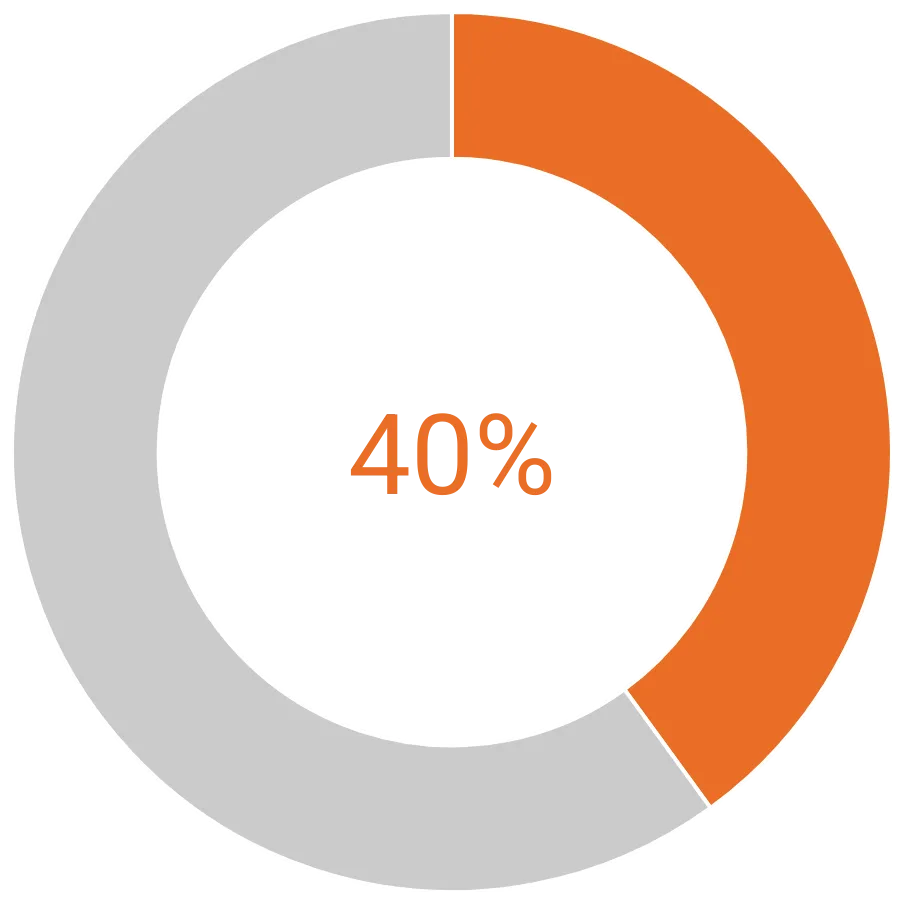
40% of Californians reported that they, or a family member, had to wait for an authorization from an insurance company before receiving a treatment prescribed by a doctor. More than half remembered having to wait for a week or more.

“We Don’t Want Band-Aids.”
What Californians Think About Policy Solutions
In the spring and summer of 2026, GSSR conducted focus groups with 169 Californians (in English, Spanish, and Cantonese) and fielded two surveys that reached a broad cross-section of more than 3,700 Californians to understand what they thought about a variety of proposals to reduce health care costs.
Some of these policy solutions had surfaced in early conversations with participants. Others were selected because they are under consideration by California lawmakers or because they have been tried in other states.
The final statewide survey found that vast majorities of respondents felt that the proposals could make health care more affordable, although some more than others.
Skip to Section
- The Impact of Unaffordable Health Care
- Who Californians Blame for High Costs — and Why
- What Californians Think About Policy Solutions
- 5 Takeaways for the Work Ahead on Affordability
- Methodology and Appendix
Below, the core idea of each policy is summarized. The full statements shown to participants were more extensive and are available as an Appendix. Key themes from participants’ feedback — collected in focus groups and open-ended responses in online surveys — is also summarized.
Stop Hospitals from Charging Excessive Prices
Policy Statement
Large hospitals and health systems are buying up local doctor’s offices and clinics and then charging patients “facility fees” — basically, hospital prices — for care they get at those doctor’s offices and clinics. Other states have started to prohibit hospitals from charging patients these “facility fees,” and so should California. (See Appendix for full policy statement.)
Survey Response
93% of survey respondents said that this would help make health care more affordable, either “a lot” (56%) or “a little” (37%).
Most find this solution credible, fair, and long overdue. However, some worry that hospitals will find loopholes or recoup the lost revenue elsewhere. A smaller number worry that capping prices could reduce the quality of care.
Stop Price Hikes By Protecting Competition
Policy Statement
The state should be given more power to block [health care] mergers or acquisitions that reduce people’s choices or lead to higher prices. In cases where mergers or acquisitions are allowed, the state could make rules to limit how much these larger companies could increase their prices. (See Appendix for full policy statement.)
Survey Response
85% of survey respondents said that this would help make health care more affordable, either “a lot” (53%) or “a little” (32%).
Most participants believe that fewer choices can lead to higher prices. Some needed concrete examples to connect the dots —for example, showing how consolidation was leaving many Californians, especially in smaller towns, with only one or two hospitals or health plans.
Allow Consumers to Choose a State-Operated Plan
Policy Statement
California should provide a state-operated public health insurance option that consumers can choose to buy to get more affordable health insurance. This insurance option would offer comprehensive coverage and compete directly with private plans. The state would reduce costs by negotiating lower costs for drugs and medical equipment. (See Appendix for full policy statement.)
Survey Response
85% of respondents thought this would help make health care more affordable, either “a lot” (53%) or “a little” (32%).
Participants like that this solution adds a choice rather than forcing people to change insurers: private plans remain available, competition increases, and a nonprofit, state-run option is seen as motivated to help people rather than to profit. However, some doubt that the government can run a plan well, confuse it with Medi-Cal or Covered California, and/or worry it could create a two-tier system in which the state plan offers lesser care.
Health Care Costs Shouldn’t Increase More Than Inflation
Policy Statement
When the cost of health care rises faster than inflation, the state should have the power to step in and stop unjustified increases. The state must track and prove that savings are going to consumers, not health care companies. (See Appendix for full policy statement.)
Survey Response
83% of respondents thought this would help make health care more affordable, either “a lot” (51%) or “a little” (32%).
Many respondents appreciate the simple promise that the state could stop unjustified increases when costs rise faster than inflation. However, some pointed out this this doesn’t lower health care costs; it keeps costs (that are already too high) from rising further. Others believe companies will find loopholes or will recoup the revenue by raising costs in other areas.
Protect Californians From Medical Debt (Los Angeles Medical Debt Relief Program)
Policy Statement
The Los Angeles County Medical Debt Relief Program uses public funds to buy up LA residents’ medical debt (for pennies on the dollar) and forgive it. The program also works to prevent debt in the first place by improving hospital financial assistance programs. (See Appendix for full policy statement.)
Survey Response
83% of survey respondents said that this would help make health care more affordable, either “a lot” (51%) or “a little” (32%).
This solution resonates strongly. It offers a real-world example that could be expanded. However, some see debt relief as treating the symptom rather than the cause. Others are unclear about who would qualify, if it could be funded at the scale needed, and whether it would reach them.
Focus More on Preventive and Primary Care
Policy Statement
Right now, we spend billions on expensive emergency room and hospital visits for problems that could have been caught earlier at regular check-ups. Yet our country spends only 5 cents of every health care dollar on this kind of preventive care. California should invest more of the state’s health care dollars into basic preventive care. (See Appendix for full policy statement.)
Survey Response
88% of respondents thought this would help make health care more affordable, either “a lot” (51%) or “a little” (37%).
Most accept that it is far cheaper to keep people healthy than to treat them once they are seriously ill. However, some thought this solution was less impactful because it didn’t target the root causes of high costs.
Empower the Office of Health Care Affordability
Policy Statement
California’s Office of Health Care Affordability (OHCA) is a new government agency with the regulatory power to limit how much health care companies can increase costs each year, and to fine companies that don’t comply. Fines collected go into a Consumer Relief Fund. OHCA is overseen by a board of independent experts that aren’t allowed to take money from health care companies. (See Appendix for full policy statement.)
Survey Response
87% of respondents thought this would help make health care more affordable, either “a lot” (42%) or “a little” (45%).
The core idea of an independent body with real power to hold health care companies accountable resonates with the vast majority of participants. However, only a few participants have heard of OHCA, which can make it feel less consequential. Some note that OHCA would cap only future increases, rather than lowering costs that are already too high.
Use New Tools and Technology to Cut Costs and Increase Efficiency for Patients and Health Care Providers
Policy Statement
California’s leaders need to require all health care companies to adopt new tools and technologies designed to reduce paperwork and administrative delays — not replace doctors or their medical judgment. For example, new tools can speed up insurance approvals or help doctors share patient information with other doctors, so people don’t have to repeat their medical history over and over. (See Appendix for full policy statement.)
Survey Response
84% of respondents thought this would help make health care more affordable, either “a lot” (38%) or “a little” (46%).
Most among our participants agree that the current health care system wastes both their time and their money. However, some see administrative waste as a lesser driver of high costs. While many are open to new technology, some express privacy concerns or worry about AI replacing human judgment.

“Why Aren’t You Fighting for Us?”
5 Takeaways for the Work Ahead on Affordability
Californians are in distress — financially and emotionally — over the high cost of health care. Frustrating and painful experiences with the cost of care have fueled rising distrust in the health care and political systems. Cynicism is rampant about the causes of their affordability challenges and the likelihood that it will ever change.
Still, they express support for many policies and have a deep desire for government to do more to help them. When asked what they would say to policymakers who had influence over health care, a common refrain was “Why aren’t you fighting for us?”
Policymakers can learn from this research about how Californians view solutions, including what they support and the concerns they still have. Here are some of the most important overarching themes and takeaways:
Skip to Section
- The Impact of Unaffordable Health Care
- Who Californians Blame for High Costs — and Why
- What Californians Think About Policy Solutions
- 5 Takeaways for the Work Ahead on Affordability
- Methodology and Appendix
- Californians generally support the reform proposals we put in front of them, with reservations. A solid majority of Californians said all six solutions tested would help. But participants also expressed concerns about how some of these policies could have unintended consequences on access to and/or the quality of care.
- Support is conditional on believing that solutions will be implemented well. Participants often expressed concerns about loopholes and workarounds by health providers and plans that could dilute the positive impact of well-intentioned policies. In other cases, many had doubts about the government’s ability to efficiently run programs and AI/technology’s real cost-savings.
- Californians have conflicting feelings about government. There is a strong strain of skepticism about politicians and government being able or willing to change things for the better. Many said politicians are more beholden to the health care lobby for donations than their constituents. At the same time, the desire for more government regulation was an equally strong theme across conversations.
- Cynicism is the biggest barrier. More than convincing people of the merits of any given policy, the biggest challenge may be overcoming widespread skepticism that anything can change, and that even well-intentioned efforts to reduce costs will be undone by the corruption and greed that many feel is baked into the system.
- Across solutions, respondents are wary of temporary “band-aids” and instead demand systemic fixes. Participants want policies that solve, not just delay, cost increases. They are desperate to see their health care costs go down, not just rise more slowly.
That last point is key. While participants generally supported the range of policy solutions we tested, we also heard the belief that more sweeping reforms could be needed to deliver the concrete savings on health care that Californians are desperate for. People want policies that deliver real financial relief that they feel in their everyday lives.
During in-depth interviews, we asked participants to describe a world with affordable health care for themselves and their families. What we heard is how transformational it would be, beyond just the financial. Yes, it would free up money. It would also free up the emotional bandwidth for other priorities. Some talked about being able to continue their education. Others spoke about contributing more to their community.
Californians are cynical on the issue of health care costs, but they have not given up. They are asking for lower health care costs, and for what lower costs make possible: the ability to plan, to study, to care for someone else.
Methodology and Appendix
In 2025, CHCF commissioned Goodwin Simon Strategic Research to conduct research, through 2026, on the opinions, experiences, and perspectives of Californians about the costs of health care. The quantitative and qualitative listening included close to 4,000 participants across geographies and other demographics, via these research methods:
18 virtual interviews and dyads conducted among 24 adults, in English, Spanish, and Cantonese, from October to December 2025.2,245 adults surveyed from March to April 2026, in English and Spanish (including oversamples of Asian, Native Hawaiian, and Pacific Islander, Black, and Native American adults).12 online focus groups with 92 participants, in English, Spanish, and Cantonese, in May 2026, to identify compelling messengers and messaging, followed by:- An asynchronous focus group in English with 27 adults
- Four synchronous online focus groups with 31 participants in Spanish and Cantonese
- One three-day, asynchronous focus group in English with 19 adults
A final statewide, online, dial-test survey in English and Spanish among 1,488 California adults (including oversamples of Asian, Native Hawaiian, and Pacific Islander, Black, and Native American adults), August-September, 2026.
You can read more details in the files below.